

As we age, our bodies go through a variety of natural changes, including in your eyes. It’s completely normal to experience differences in how you see the world over time. When multiple vision issues arise at once, it’s easy to wonder if one is directly responsible for the other.
Cataracts don’t directly cause glaucoma, but an advanced cataract can occasionally lead to secondary glaucoma. While they’re separate conditions, they can interact in ways that affect your overall eye health. Early detection through routine adult eye exams helps you avoid this uncomfortable pressure buildup and maintain clear sight.
The Link Between Cataracts and Glaucoma
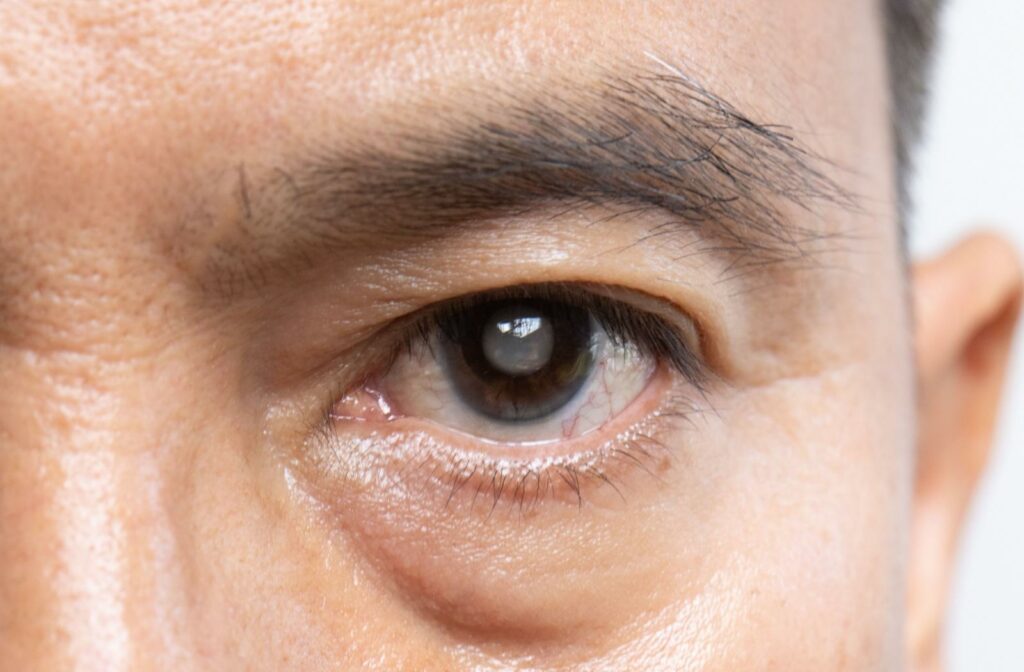
To understand how these conditions interact, it helps to look at the different parts of the eye they affect. The lens inside your eye is naturally clear, allowing light to focus properly on the retina. A cataract develops when proteins in this lens clump together, creating a thick, cloudy area. This cloudiness makes it hard to see fine details on a computer screen or drive safely at night.
Glaucoma is a completely different disease that damages your optic nerve. This vital nerve acts as the main communication cable between your eye and your brain. In many cases, glaucoma develops when the clear fluid inside your eye can’t drain properly. This fluid buildup increases your internal eye pressure. High pressure can damage your optic nerve over time and can threaten your peripheral sight.
Shared Risk Factors For Both
It’s quite common for individuals to experience both problems at the same time, simply because they share similar risk factors.
Age plays a major role in your overall eye health and daily visual comfort. People over the age of 60 often face a higher risk for both of these eye problems. Genetics can also contribute to your likelihood of developing either condition. A family history of vision issues means you should monitor your eye health closely.
Maintain a healthy lifestyle and attend regular eye exams to keep track of any subtle differences in your vision.
Common Signs Of Both Eye Conditions
Recognizing the early signs of vision problems helps you seek timely care. Since these are separate issues, they present with completely different symptoms.
Signs Of A Cataract
A cataract changes how light enters your eye and reaches your retina. You might notice several specific changes to your daily vision as the lens grows cloudier:
- Blurry or cloudy vision during daily tasks.
- Colors look faded or yellow to you.
- Increased glare from streetlights while driving at night.
Signs Of Glaucoma
High eye pressure can damage your sight slowly over many years. This damage can produce distinct symptoms as the disease progresses from mild to later stages:
- Gradual loss of your side or peripheral vision.
- Tunnel vision in later stages of disease.
- Severe eye pain
Seek prompt emergency care if you experience sudden eye pain, as this can indicate an acute pressure spike.
How Untreated Cataracts Affect Eye Pressure
While a cloudy lens rarely directly causes optic nerve damage, leaving it untreated for too long can lead to severe complications. A cataract can grow larger and swell inside your eye over an extended period. This swelling takes up extra space in the sensitive front part of your eye. The swollen lens can physically block your natural fluid drainage system, leading to a rapid increase in your internal eye pressure.
The swollen lens pushes against other eye structures, trapping fluid and creating a specific type of damage known as secondary glaucoma. The trapped fluid can place heavy stress on your optic nerve. Prompt diagnosis and management help stop this pressure buildup before lasting vision loss occurs.
Surgery Options For Cataracts and Glaucoma
Removing a cloudy lens can positively alter the pressure inside your eye. An artificial intraocular lens is much thinner than your natural swollen lens. This extra space opens up the drainage angle and helps your eye drain fluid more easily on a daily basis. For individuals with mild glaucoma, this surgery can sometimes lower internal pressure.
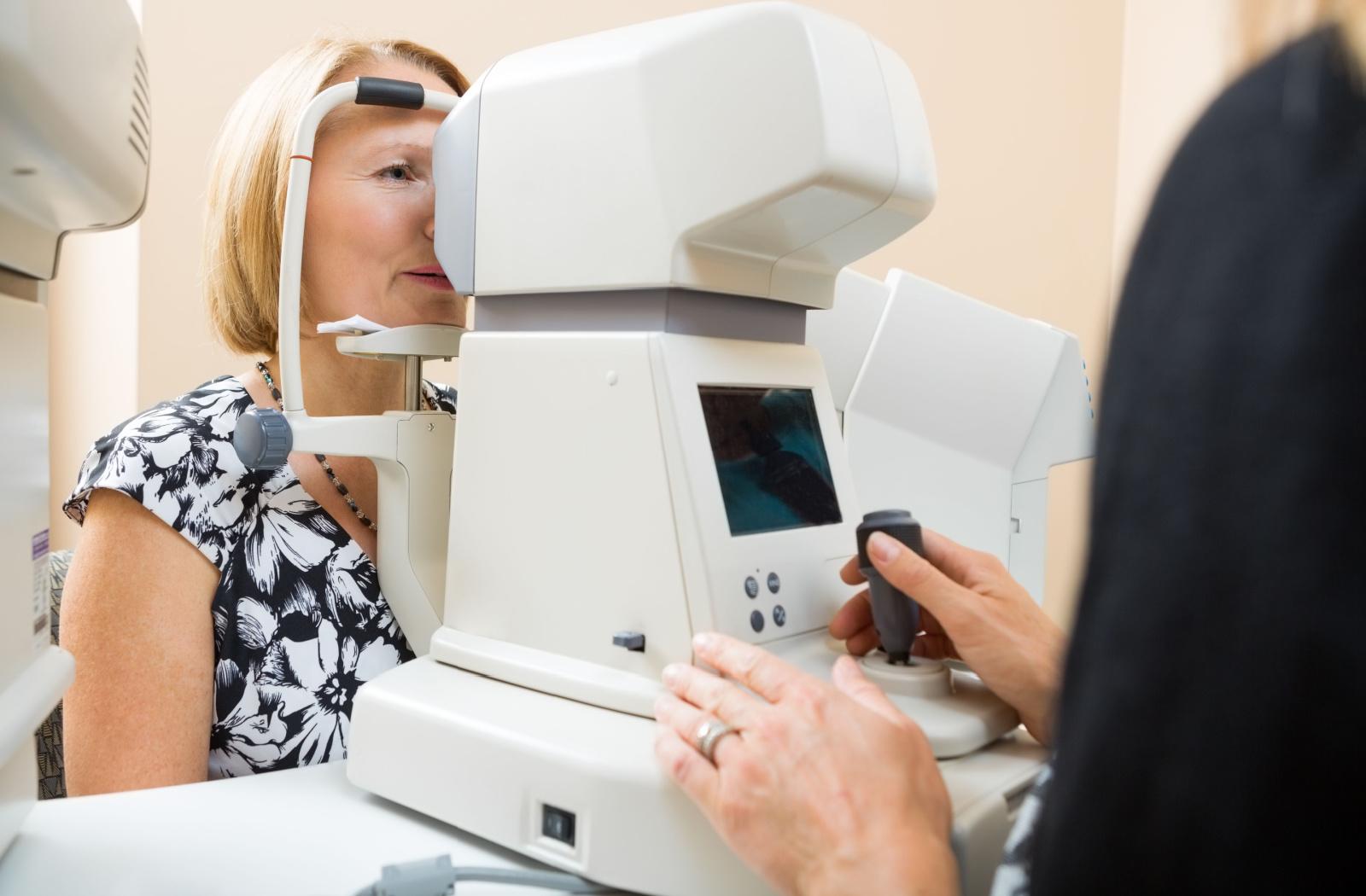
Temporary pressure spikes can happen after surgery, but it should respond well to prescribed eye drops. Your optometrist checks this using a simple pressure test.
An eye doctor can sometimes perform treatments for both conditions during a single surgical visit to address cloudy vision and manage high eye pressure simultaneously. The medical team evaluates your specific eye health to plan the right approach. Your eye pressure should be stable before moving forward with a combined procedure.
Take Charge of Your Vision Health Today
High eye pressure often develops without any early warning signs or physical pain. You might lose some of your peripheral vision before you even notice a problem. Annual eye exams help detect small pressure changes before severe damage happens. Early diagnosis helps keep your eyes healthy and comfortable for years to come.
Routine care plays a large role in maintaining your long-term visual health, helping you deal with problems before they impact your daily routine. The team at Total Vision San Clemente can monitor your sight and provide a clear picture of your overall eye health.
Book an appointment today and keep your eyes healthy and your vision sharp.