

Key Takeaways
- Always wash and dry your hands before touching your lenses.
- Never rinse lenses with tap water, only use contact lens solution.
- Remove lenses at the first sign of redness, pain, or blurred vision.
- Sleeping in lenses is never recommended as it can raise your risk of an eye infection.
- Getting an annual contact lens exam helps keep your eyes healthy and your prescription current.
Many people across the US wear contact lenses every day without a second thought. That comfort and convenience can make it easy to skip a step here or cut a corner there. But at Total Vision San Clemente, we want to remind contact lens wearers that small habits add up fast.
Wearing contacts safely comes down to consistent habits, getting the right fit during a contact lens exam and fitting, and scheduling regular exams with your eye doctor. These 10 tips cover everything from hand hygiene to how often to schedule a visit, so you can wear your lenses with confidence.
Start with the Right Fit and Prescription
Not every contact lens works for every eye. Different prescriptions, eye shapes, and even your lifestyle can affect which lens fits you properly. A lens that feels fine at first might cause discomfort or blur your vision if it’s not matched to your eye’s measurements.
Blurry vision through your contacts can be a sign your prescription has changed. It’s worth getting checked, as your eye doctor can confirm whether your lenses still match your eyes or if it’s time to update them. Keep in mind that contact lens prescriptions differ from glasses prescriptions and include specific measurements for fit and comfort.
Hand Hygiene
Why Clean Hands Matter
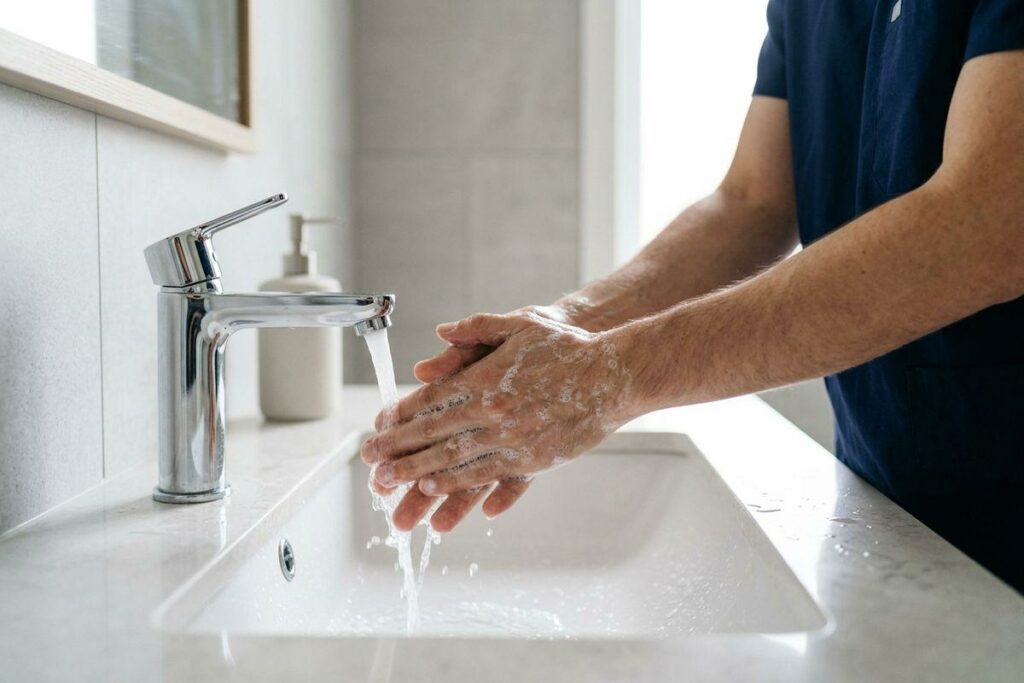
Your fingertips carry dirt, oils, and germs that can transfer to your lenses the moment you touch them. That transfer can lead to irritation or infection, which is why hand hygiene is so important.
Use mild soap and rinse thoroughly before handling your lenses, then dry your hands with a lint-free towel so no fibers end up on the lens.
How to Handle Lenses Safely
Before placing a lens on your eye, check its shape. A lens sitting correctly in your palm looks like a smooth bowl with edges pointing straight up. If the edges flare outward like a saucer, the lens is likely inside out. The proper care and handling of contact lenses goes a long way toward keeping your eyes comfortable and safe.

Lens Care and Storage Habits That Protect Your Eyes
Cleaning Your Lenses the Right Way
Tap water contains microorganisms that can contribute to serious eye infections. Always use the contact lens solution your eye doctor recommends, and never substitute with water. The type of contact lens you wear can also affect which cleaning routine works well for your eyes, so always listen to your eye doctor and the manufacturer’s instructions when it comes to taking care of your lenses.
Storage Between Wears
Change the solution in your lens case every time you store your lenses, as old solution can’t protect your eyes against bacteria as well as new solution can. A lens left out on a surface overnight can warp and no longer fit your eye correctly, so keep them stored properly whenever they’re not in use.
Know When to Remove and Replace Your Lenses
Sleep and Overnight Wear Risks
Sleeping in contact lenses reduces the amount of oxygen reaching your cornea (the clear outer layer of your eye). That creates conditions where bacteria can grow more easily, raising your infection risk. Unless your eye doctor has specifically approved extended wear lenses for overnight use, take them out before you sleep.
Signs It’s Time to Remove Your Lenses
Redness, pain, or sudden blurry vision are signals to take your lenses out right away. These symptoms can point to irritation, a scratch on the eye, or the early stages of infection.
Beyond daily comfort, follow your replacement schedule. A daily lens used for a second day has already accumulated deposits and bacteria that cleaning won’t fully address. If symptoms don’t settle after removing your lenses, urgent care for eye emergencies is available when you need it.
The Importance of Regular Eye Exams
A Contact Lens Exam
A contact lens exam covers more than just giving you new lenses. Your eye doctor checks how well the lens fits your eye, looks for any signs of irritation, and makes sure your cornea is receiving enough oxygen under the lenses. Your eye doctor can recommend lenses that work for your specific needs, including lenses designed for dry eye, astigmatism, or corneal irregularities.
How Often to Visit an Eye Doctor in San Clemente
It’s generally recommended to have a contact lens exam annually to update your prescription and check for any signs of discomfort. Staying consistent with your exams is one of the simplest things you can do to support your eye health long-term.
Schedule Your Visit
At Total Vision San Clemente, we offer contact lens exams that pair thorough eye health checks with precise fitting, so your lenses feel comfortable all day long. Whether you’re trying contacts for the first time or need a prescription update, we’re here to help. Book your appointment today.