


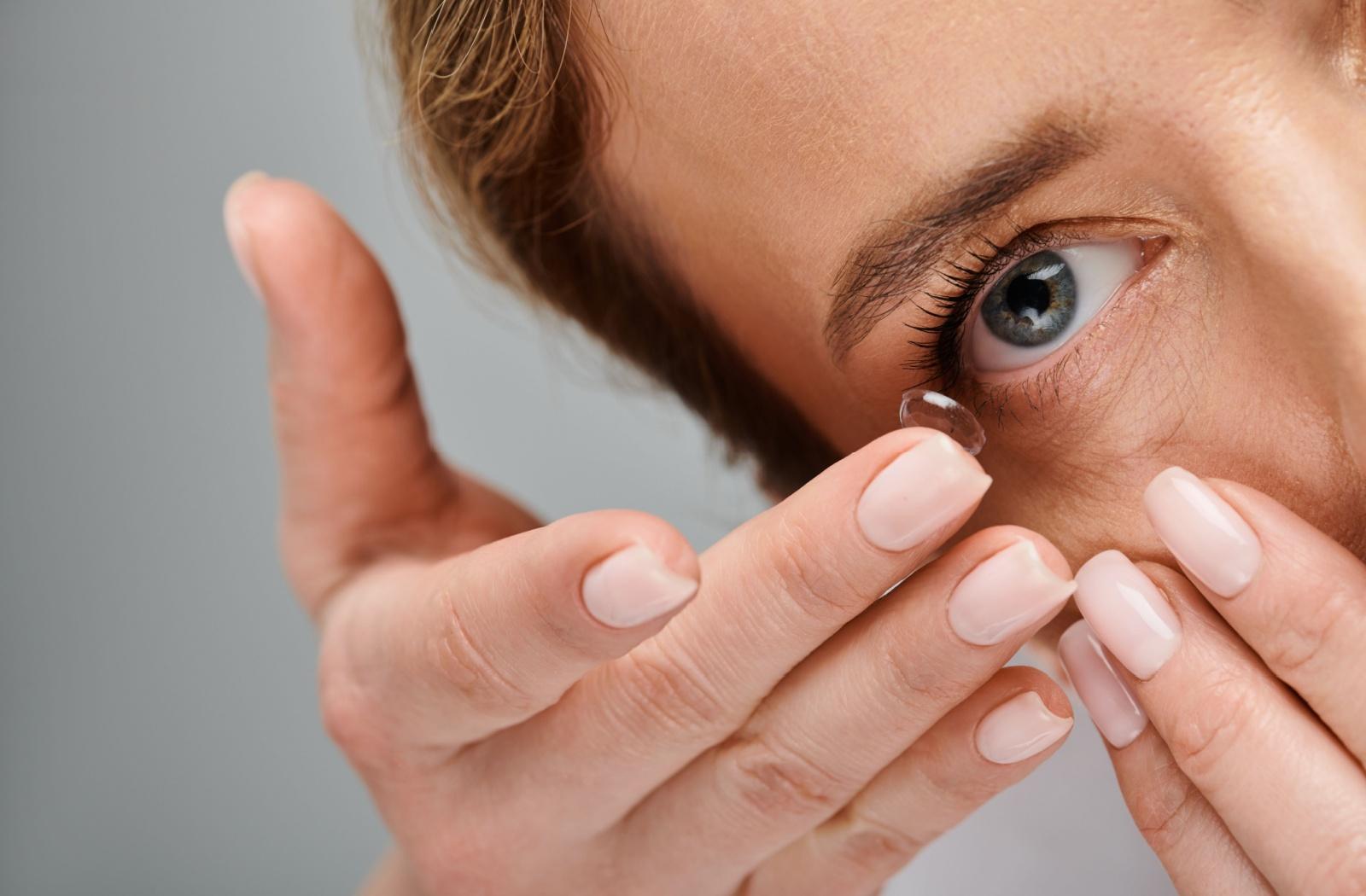
You pop in your daily lens to start your morning routine. A sharp scrape immediately makes your eyelid twitch, and you blink hard to try to wash the discomfort away. Our team at Total Vision San Clemente frequently helps people eliminate this exact frustration.
Your contact lens may feel scratchy because dirt gets trapped underneath the plastic, the lens tears at the edges, or the shape doesn’t fit your eye properly. You can stop this discomfort fast with a few simple habit changes. Small adjustments to your routine and proper lens fittings help you see clearly.
Key Takeaways
- Rough contacts often stem from poor fit, dirt, or tiny tears.
- Redness and constant watering signal a bad reaction.
- Safe drops and glasses breaks can bring fast relief.
- Clean hands and strict replacement schedules help keep your vision clear.
- Persistent pain means you need professional care from the eye doctor.
Why Your Contact Lenses Feel Rough or Uncomfortable
An Incorrect Lens Fit
Every cornea has a unique curvature, meaning a standard off-the-shelf lens will not fit every individual. This is why contact lens prescriptions require specialized measurements that differ from a glasses prescription. When a lens does not align correctly with the surface of your eye, it can cause immediate discomfort.
- Poor centration: A lens that is too loose or improperly contoured will slide away from the pupil with every blink, creating a constant awareness of the lens edge.
- Localized dry spots: An ill-fitting lens can disrupt your natural tear flow, preventing moisture from blanketing the eye surface evenly and leaving areas parched.
- Trapped air pockets: If the lens curvature is too steep for your eye, it can trap tiny air bubbles beneath the material, causing a noticeable, irritating bump.
Accumulation of Debris and Protein Deposits
The air around us contains microscopic particles that routinely settle on the eye surface. Additionally, your natural tears contain proteins and lipids that gradually build up on the lens material throughout the day. This accumulation quickly degrades a smooth lens surface into a gritty texture.
- Environmental debris: Airborne dust and lint can adhere to the lens surface, acting like sandpaper against the sensitive underside of your eyelid.
- Protein film: Natural tear proteins can bind to the lens matrix, creating a cloudy film that reduces visual clarity and causes a sticky, heavy sensation.
- Cosmetic smudges: Makeup residue, lotions, or oils transferred from your fingers during insertion can create immediate, stubborn smudges that irritate the ocular surface.
Torn or Inverted Lenses
Contact lenses are manufactured from incredibly thin, delicate materials that require gentle handling. A rushed morning routine or improper cleaning technique can easily compromise the structural integrity of the lens.
- Inverted edges: Inserting a lens inside out causes the edges to flare outward like a saucer rather than curving smoothly against the eye, leading to an immediate scratchy sensation.
- Micro-tears and chips: Even a microscopic nick or jagged edge on the perimeter of the lens will scrape against the cornea and eyelid with every single blink.
- Material cracks: Pinching the lens too firmly or using long fingernails during removal can cause structural fractures that ruin the smooth finish of the material.
Signs of a Contact Lens Reaction
Your eyes tell you immediately when something goes wrong. Ignoring these signals can lead to larger problems down the road, such as painful corneal ulcers. Pay close attention to these specific warning signs:
- Redness or a swollen, painful eyelid that stays for hours after you take the lenses out
- Constant watery tear production that runs down your face
- Severe light sensitivity outdoors or near bright computer screens
Quick Fixes for Dry and Irritated Eyes
Use Safe Eye Drops
Moisture helps your lenses glide smoothly over your eye. The right hydration strategy can bring immediate relief to a scratchy surface. If discomfort persists, professional dry eye therapy can provide lasting relief. A few drops can transform how your eyes feel by the afternoon.
- Apply approved contact lens drops to clear away small particles.
- Choose drops made specifically for contacts to protect the delicate material.
- Rehydrate your eyes 3 times daily to maintain comfort.
Take a Break with Glasses
Your eyes need oxygen to stay healthy and bright, especially when battling dry eye symptoms. A simple swap can give your corneas a chance to breathe and recover from a long day. Keeping a backup pair of frames on hand helps you manage sudden irritation.
- Remove your contacts immediately for fast physical relief.
- Wear backup glasses for 2 hours to rest your tired eyes.
- Switch to glasses during spring when pollen counts run exceptionally high.
Daily Care Habits for Clear Vision
Wash Your Hands First
Everything on your fingers transfers directly to your lenses. Clean hands help prevent bacterial problems before they start. A thorough wash is your first line of defense against eye irritation, and following proper contact lens care keeps your eyes safe.
- Scrub your hands with mild soap first.
- Dry your fingers completely with a lint-free towel.
- Keep lotions and natural oils away from your lenses.
Replace Lenses on Schedule
Stretching the lifespan of your lenses invites discomfort and dirt. Staying on track with your replacement schedule keeps your vision sharp, and throwing them away helps prevent issues like sleeping in contact lenses.
- Throw away your daily pairs nightly without any exceptions.
- Check the box expiration date before opening a brand-new pack.
- Replace your 30-day lens promptly at the end of the month.
When to Visit an Eye Doctor in San Clemente
While temporary irritation often resolves with rest, persistent discomfort requires professional attention. Subtle, ongoing symptoms can indicate underlying complications that need specialized care to prevent long-term damage or severe discomfort.
You should schedule an appointment immediately if you experience any of the following:
- Persistent pain: Discomfort or aching that continues even after you have completely removed your contact lenses, which can be a sign of a corneal abrasion or infection.
- Prolonged blurriness: Visual clarity that remains fuzzy or distorted for more than forty-eight hours.
- A constant gritty sensation: A continuous feeling of sand or debris in your eyes, even when you are not wearing your lenses.
Get Your Vision Back on Track
Continuous discomfort can stop you from enjoying your favorite daily activities. A thorough exam helps reveal exactly why your lenses feel rough. Our team at Total Vision San Clemente provides comprehensive eye care alongside a wide selection of contact lenses. You can book an appointment today with an eye doctor in San Clemente to get your vision back on track.