
Key Takeaways
- 20/20 vision is only a measure of clarity, not overall eye health.
- Reading in dim light causes temporary strain, not permanent damage.
- Wearing glasses does not weaken your eyes over time.
- Many age-related eye conditions are manageable when caught early.
- Crossing your eyes cannot make them permanently stuck.
- Comprehensive eye exams benefit every age group.
Eye Care Myths Can Affect Your Vision
You’ve probably heard at least a few of these: don’t sit too close to the TV, wearing glasses makes your eyesight worse, or if you can see clearly, your eyes must be fine. These ideas get passed down like family recipes, repeated so often they start to feel like facts.
A quick look at the real science behind some common but untrue claims can help you make smarter choices about your eye care.
Most of these myths aren’t true, and believing them can actually get in the way of protecting your vision.
Myth: 20/20 Vision Means Your Eyes Are Healthy
What 20/20 Vision Actually Tells You
When a chart test shows that your vision is 20/20, it means that you can see at 20 feet what a person with normal vision can see at 20 feet. However, this is only a measure of how good your central vision is. It doesn’t say anything about the overall health of your eyes or about other visual skills like object tracking, shifting focus, and eye teaming.
In many cases, vision problems don’t have obvious symptoms. Glaucoma is one good example. Glaucoma is one of the leading causes of vision loss in adults, and it can develop quietly, without affecting your central vision. By the time you notice something is off, you may already have permanent vision loss.
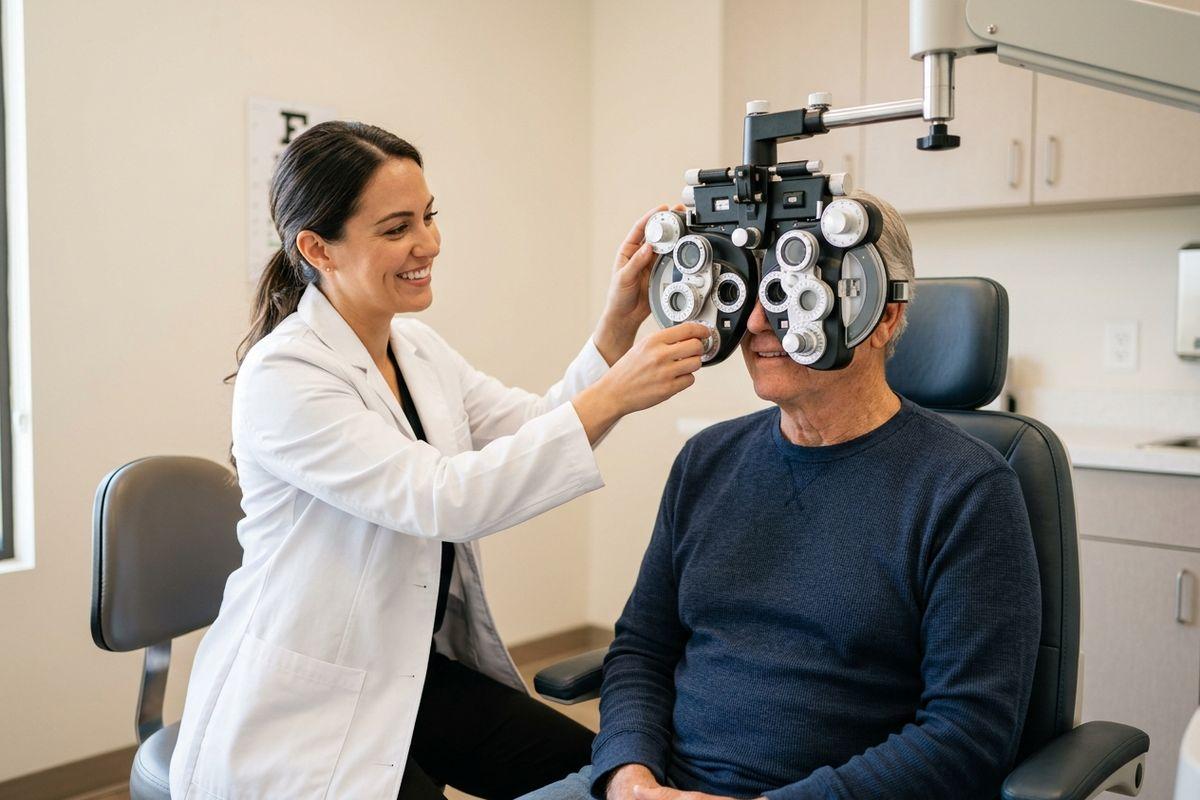
In order to keep your vision healthy, it’s important to schedule regular eye exams. During these appointments, your eye doctor will check the health of different parts of your eye, like your retina and optic nerve. This can help identify potentially serious conditions before you even start to notice symptoms.
Myths About Screens, Light & Daily Habits
Reading in Dim Light
Your eyes work harder in low light, and that extra effort can leave them feeling tired, dry, or achy by the end of the night. That’s eye strain, but it’s only temporary. It gets better when you rest.
Good lighting makes reading more comfortable and helps prevent fatigue, but reading in dim light ultimately doesn’t change the structure of your eye or affect your prescription.
Screen Time & Sitting Close to the TV
There’s no solid evidence that screen time leads to lasting structural damage to your eyes. What screens do contribute to is digital eye strain, a mix of dryness, fatigue, and mild blurriness that comes from extended focusing at a fixed distance. The 20-20-20 rule is one practical way to give your eyes a break.
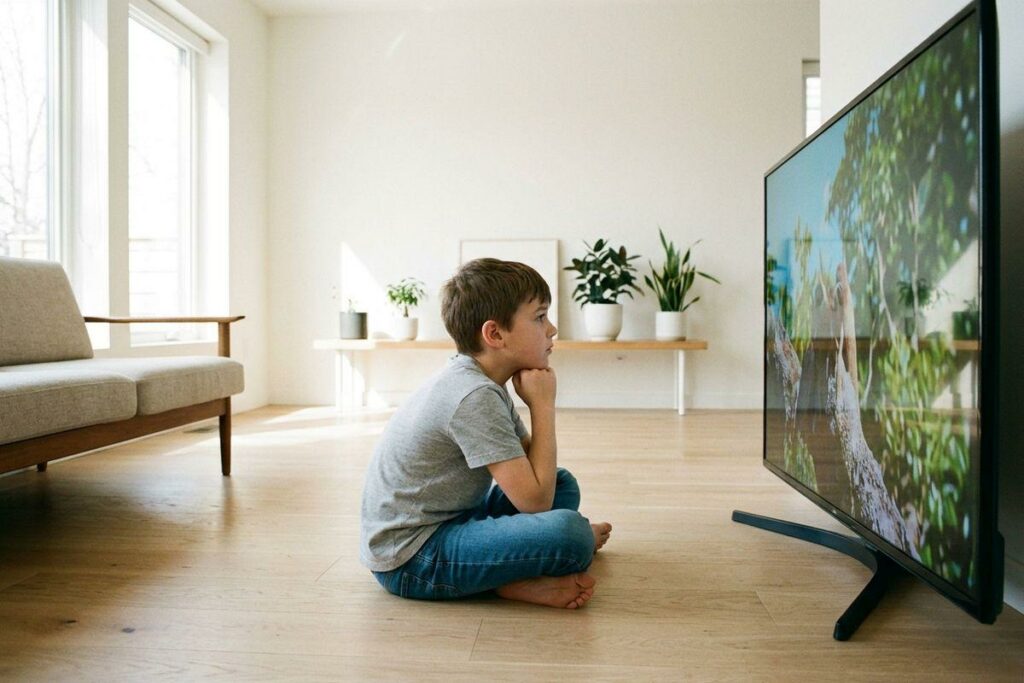
Nonetheless, sitting very close to the TV is a habit worth paying attention to in children. While doing this doesn’t damage the eyes, it may be a sign that your child is nearsighted. That’s a good reason to schedule an exam with an eye doctor in San Clemente.
Myths About Glasses & Contact Lenses
Glasses & Vision
Wearing glasses doesn’t make your prescription stronger or your eyes dependent on correction. Your glasses simply help your eyes focus light properly, so that you’re not straining to see.
Prescription changes over time come from the natural aging of the eye, not from wearing lenses. Neglecting to wear your glasses when you need them actually puts more strain on your eyes, not less.
Many people get used to the clear, crisp vision they have while wearing their glasses, and often end up shocked at the difference when they take their glasses off. That’s likely the origin of this myth.
Wrong Prescriptions & Eye Damage
Wearing someone else’s glasses or an outdated prescription can bring on headaches, blurry vision, and eye fatigue. It’s uncomfortable, but it doesn’t cause permanent harm. Those symptoms disappear once the correct prescription is back in place.
In children, however, there is some evidence that under-correction of myopia is less effective at slowing progression. This is a good reason to keep your child’s prescription current and effective.
Myths About Vision Loss & Eye Conditions
Vision Loss & Age
Age-related conditions like cataracts, macular degeneration, and glaucoma do become more common over time, but “common” doesn’t mean unavoidable. Many of these conditions respond well to treatment, especially when they’re caught in their earlier stages.
Regular comprehensive exams give your eye doctor a chance to spot any changes before they progress. In fact, adult and senior eye exams are structured specifically to track these kinds of gradual changes.
Crossing Your Eyes & Other Childhood Myths
Eye muscles can’t get stuck from crossing your eyes on purpose. These muscles are fully capable of relaxing and returning to their normal positions.
What is worth paying attention to is involuntary eye crossing, which is called strabismus. If a child’s eyes are drifting or misaligning on their own, that can signal an underlying condition that an eye doctor should evaluate.
Why Regular Eye Exams Matter for Every Age
Eye Exams Aren’t Just for People With Vision Problems
You don’t need to be struggling to see clearly to benefit from a comprehensive exam. Eye exams can detect over 270 health conditions, including diabetes and high blood pressure, sometimes before other symptoms appear.
Early detection gives you more options and more time. That’s true whether you’re managing a known condition or simply keeping tabs on your health.
When to Schedule an Exam with an Eye Doctor in San Clemente
A person’s first eye exam is recommended at 6 months old, well before a child starts school or can read a letter chart. From there, routine exams continue through childhood and adulthood.
- Infants should have their first exam around 6 months of age.
- Children benefit from eye exams before starting school, then from yearly exams during their school years.
- Adults with no known issues can typically follow an annual or biennial schedule depending on their age and health history.
- Annual exams help track gradual changes before they affect your daily life.
At Total Vision San Clemente, we offer comprehensive eye care for every member of your family, from your youngest child to older adults. If it’s been a while since your last exam, or if you’ve never had a full comprehensive one, now is a good time to schedule. Your vision is worth checking on, even when everything seems fine.